
RO water vs natural mineral water: understanding the differences
In this guide
The choice between reverse osmosis and mineral water is often presented as a contest between technology and nature. That framing is misleading. One describes a treatment process; the other describes a regulated type of water. Neither phrase alone tells you whether a particular product is safe or appropriate for your home.
How reverse osmosis works
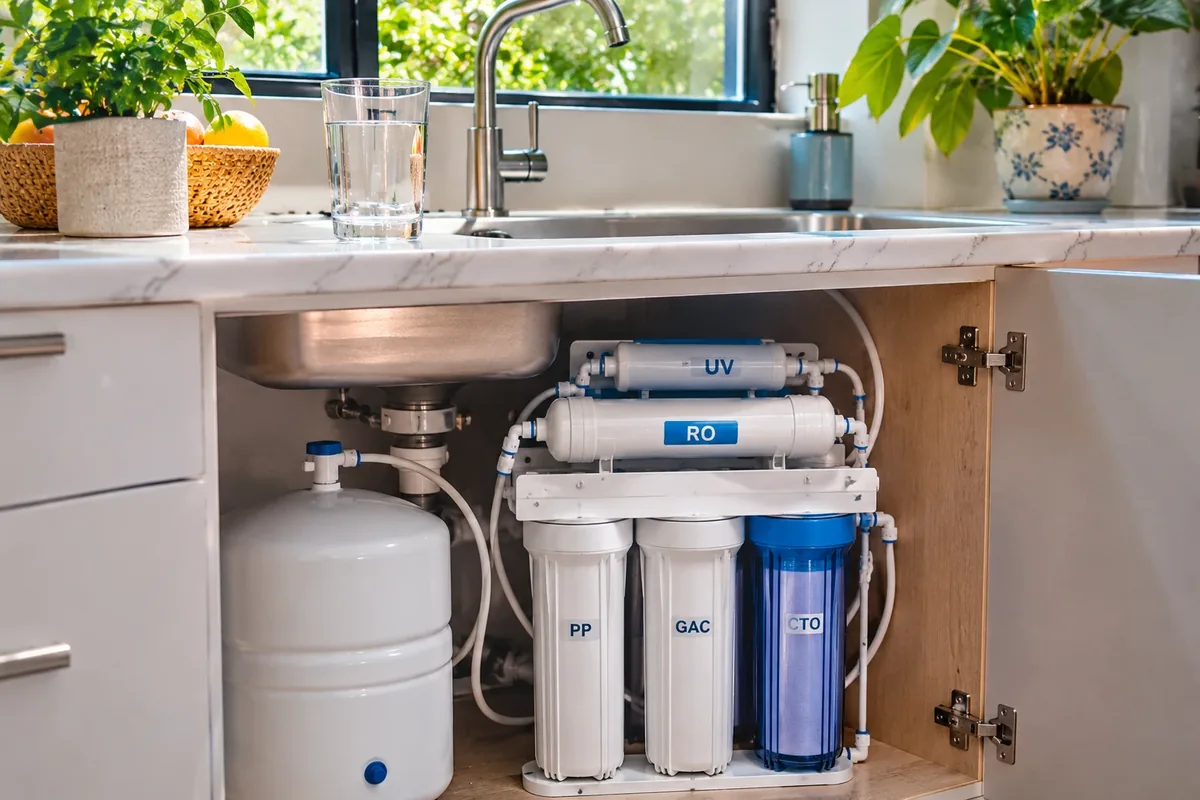
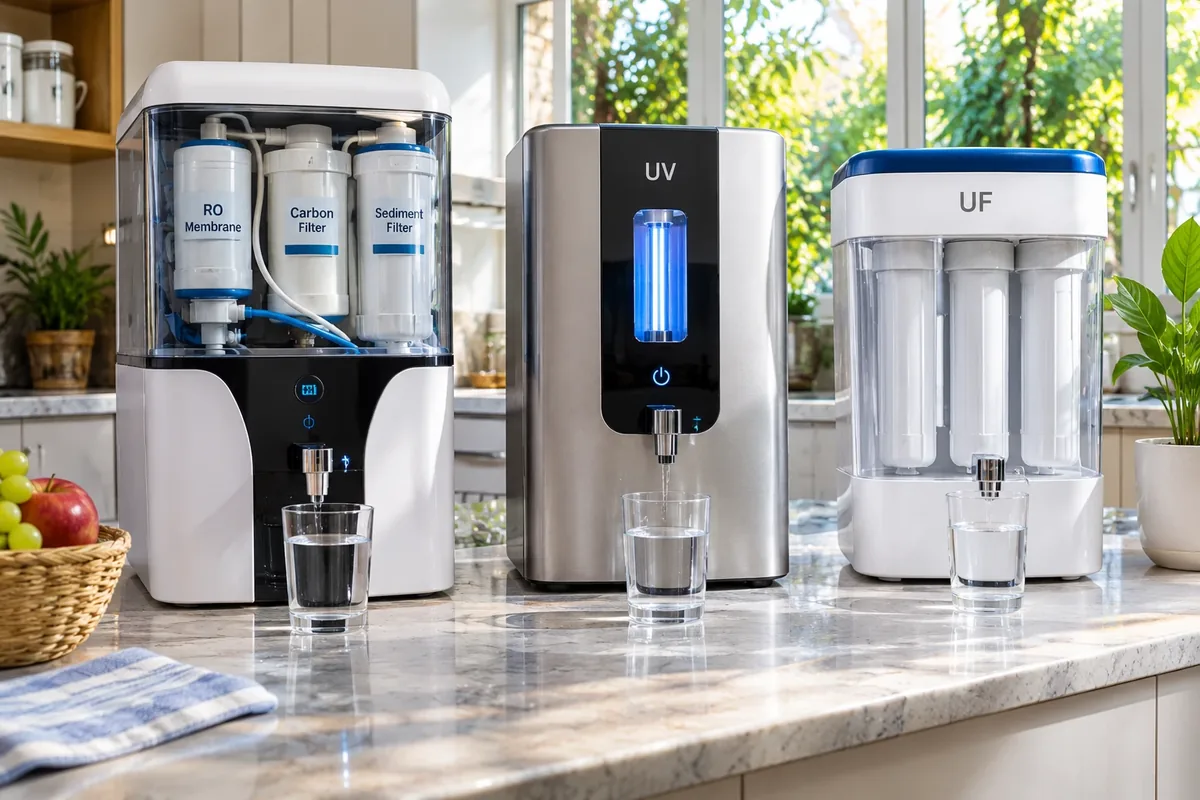
An RO system uses pressure to move water through a membrane that rejects many dissolved substances. Performance depends on the membrane, operating conditions, pretreatment and maintenance. A household system generally produces treated water and a reject stream. Ask the installer about both streams, particularly if your building already faces water scarcity.
RO may be valuable when testing identifies a problem that the chosen system is designed to address. It is not a universal substitute for understanding the incoming supply. Filters, seals and storage tanks still need attention.
What natural mineral water means
Natural mineral water is not simply water with minerals added or a scenic picture on its bottle. It is a distinct product category subject to source, composition and treatment requirements in the market where it is sold. The exact legal wording matters. Not every imported water qualifies.
Its mineral character can affect taste, but that alone does not make it medically superior to safe treated water. Food is an important source of dietary minerals, and a comparison should consider actual concentrations instead of assumptions.
Compare daily life, not slogans
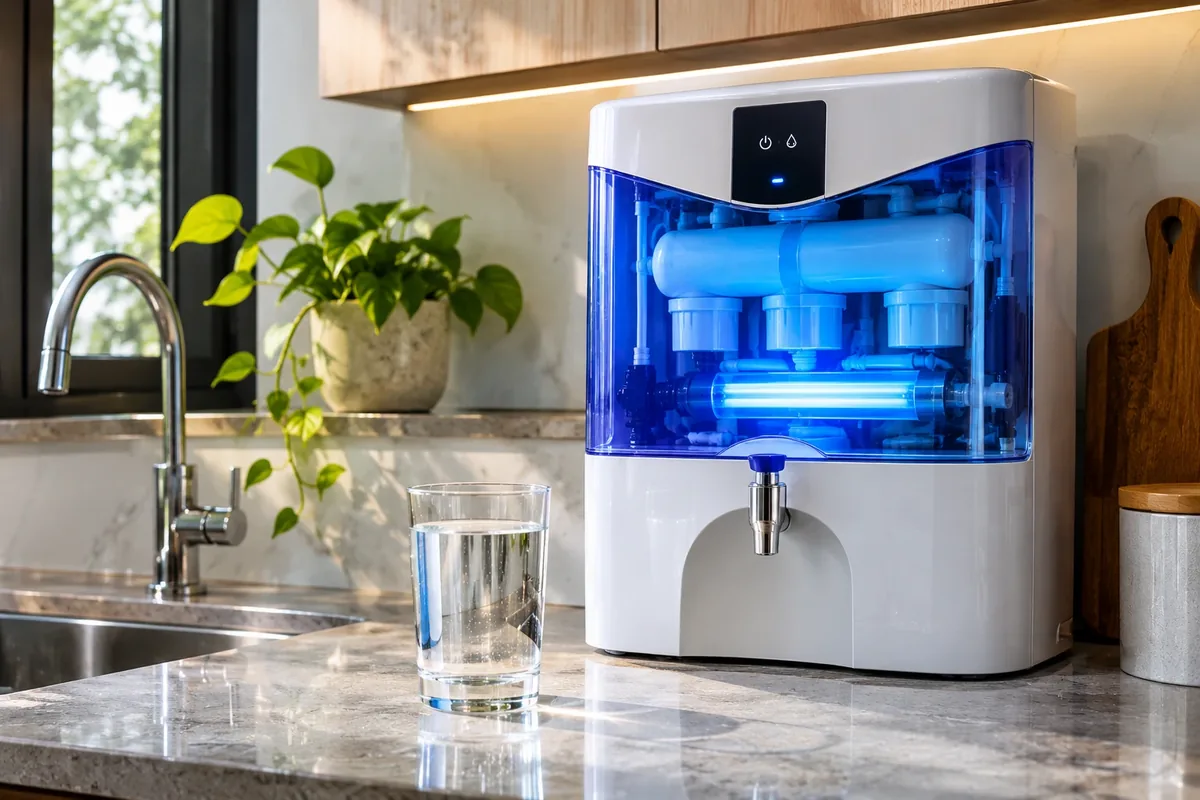
Imagine two households. One has a well-maintained purifier matched to a tested source, ample space and predictable servicing. Another rents an apartment and wants to avoid installing equipment. The first may prefer its existing setup; the second may value a dependable packaged supply. Neither decision establishes a universal winner.
Compare initial installation, recurring maintenance, electricity where applicable, water rejection, delivery fees, storage space and time. Include the cost of a contingency plan if supply or equipment fails. Price per litre is useful only when the denominator represents water actually available for drinking.

What about taste?
RO output can have a lighter mineral character, although some equipment blends or remineralises its output. Natural mineral waters can differ substantially from one another. A blind tasting of safe waters at the same temperature is a better way to discover what you enjoy than reading labels first.
What we would ask of any premium supplier
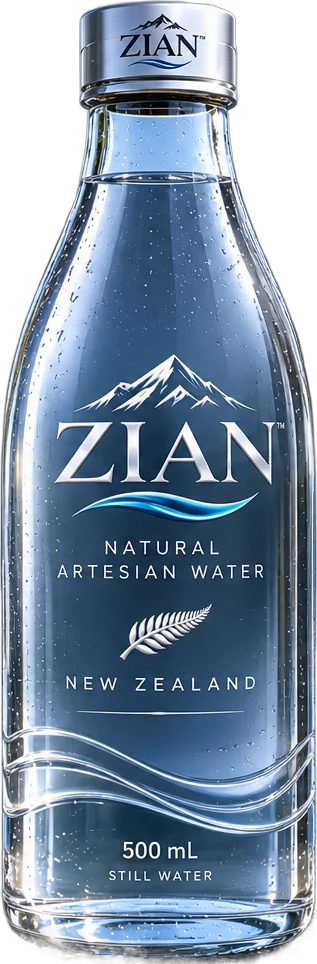
For ZIAN or any other imported brand, request the exact product category, source details, composition and appropriate quality records. Those details allow a fair comparison with a tested household supply. Until they are available, a claim that one is healthier is premature.
RO and natural mineral water compared
| Factor | Home RO system | Natural mineral water |
|---|---|---|
| Source | Household incoming supply | Specific underground source, subject to category rules |
| Composition | Depends on feed water and system design | Depends on source and permitted treatment |
| Ongoing work | Filter servicing and hygienic storage | Delivery, seal checks and hygienic dispensing |
| Costs | Equipment, servicing, water and power | Water, delivery, deposits and dispensing equipment |
Neither option is automatically safer. Select treatment to address the contaminants actually present; the CDC guide to household treatment systems explains how different technologies address different risks. A well-maintained system appropriate to the source can be a sensible choice.
Work out the household cost fairly
Suppose four people use 8 litres per day for drinking and selected kitchen uses. That is 240 litres over 30 days, or 16 full 15-litre containers. This is an illustrative purchasing scenario, not a hydration prescription. Multiply the litres by the delivered price and add any non-refundable fees.
For RO, divide the installed purchase price by the expected useful life in months, then add monthly servicing, replacement parts, electricity and water costs. Use your actual quotations. The lower-cost option may still be unsuitable if it does not address the source's quality problems.
When each option makes sense
RO may be appropriate when testing identifies dissolved contaminants that the selected unit is designed to reduce. Delivered water may suit families who value predictable sourcing, convenience and taste, provided the supplier can demonstrate quality and reliable handling. Some households use both for different needs. Avoid paying for treatment or premium delivery solely because a salesperson claims one type of water is universally healthier.
Frequently asked questions
Does RO remove everything?
No. Performance varies by system and contaminant, and maintenance matters.
Is mineral water always untreated?
The permissible processes depend on its legal category and applicable rules.
Should I stop using a functioning purifier?
Not simply because a premium alternative exists. Compare evidence and convenience first.

 What is the ideal TDS level for drinking water in India?
 Natural mineral water vs packaged drinking water
 Calcium, magnesium and other minerals in drinking water
 Water delivery vs home purification: a practical guide for families