
Why New Zealand water is prized: from source to bottle
In this guide
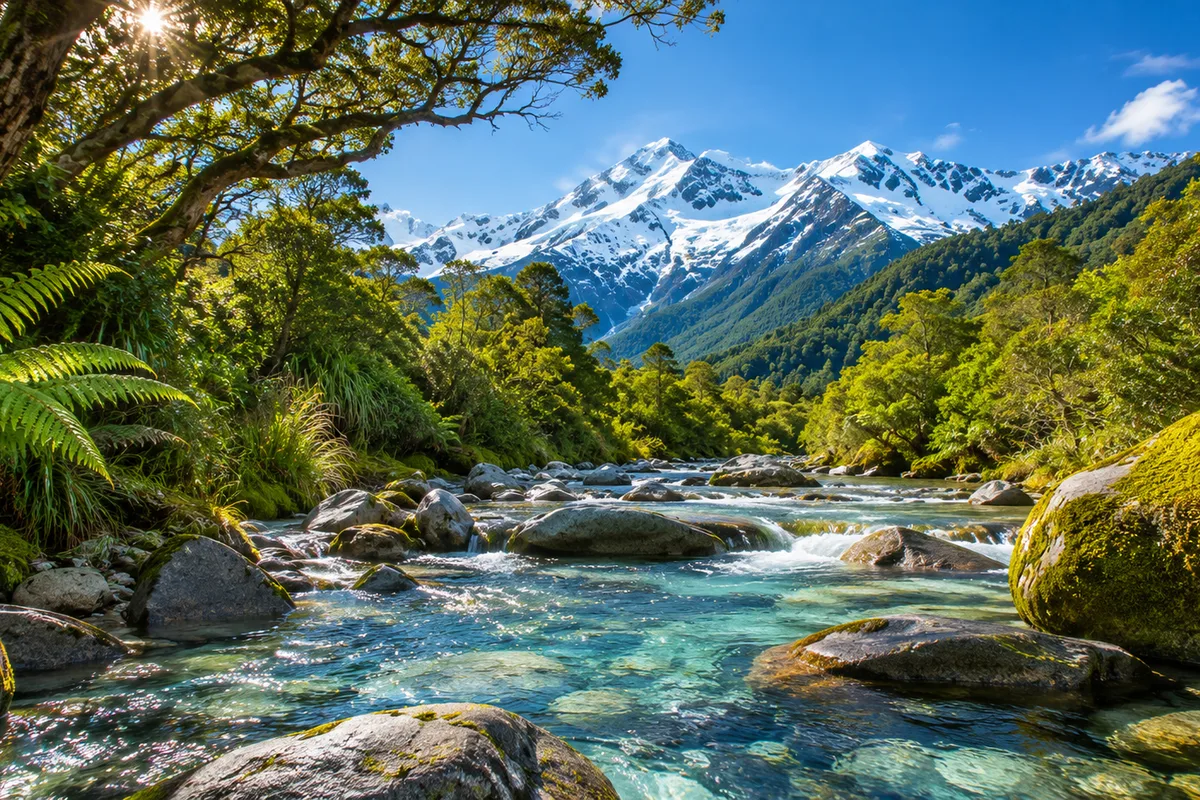
New Zealand's landscapes are a compelling part of its international identity. Mountains, forests and coastlines make it easy to understand why a bottle carrying the country's name can attract attention. Yet the journey from a landscape to a glass deserves more scrutiny than a photograph can provide.
The source is the beginning, not the conclusion
Water can travel through soil and rock, collect in aquifers or flow through surface systems. Along the way its composition can change. Geology, land use, recharge and the vulnerability of the source all matter. Two sources in the same country can produce very different water.
A source description should therefore be specific enough to be meaningful. Ask whether the supplier identifies the type of source and can substantiate its origin. A remote-looking landscape is not proof that the water came from that exact place, or that it is safe without appropriate controls.
What happens between source and glass?
The production process, packaging and storage are part of water quality. A credible supplier should understand risks from abstraction through bottling and distribution. Test results should be interpreted in the context of when and where a sample was taken. A source sample and a finished packaged product are not necessarily equivalent.
When a bottle travels internationally, traceability becomes particularly valuable. Importers and suppliers must manage the requirements of the destination market. A consumer in India should not have to rely solely on the reputation of the exporting country.
Why provenance can still matter
Origin is a legitimate reason to be interested in a product. It can connect a consumer to a place and production philosophy. Mineral composition may also influence the taste experience. The strength of a provenance story comes from its specific, verifiable details, rather than sweeping national comparisons.
Think of selecting coffee or tea by origin: knowing the country is interesting, but knowing the producer and how the product was handled adds substance. Water deserves a similar level of curiosity, with the extra importance of safety.
What ZIAN will publish
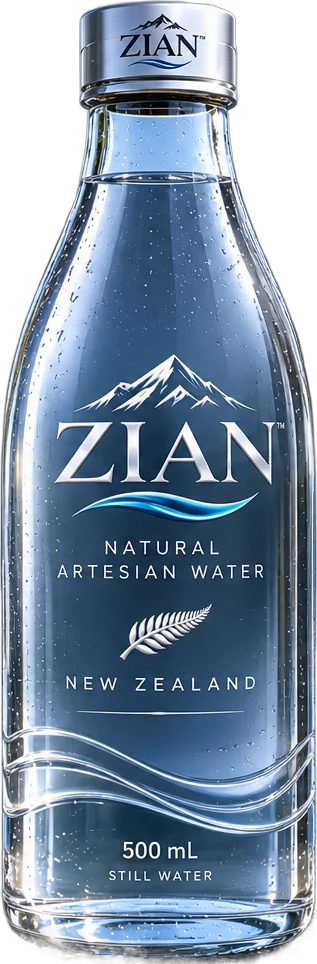
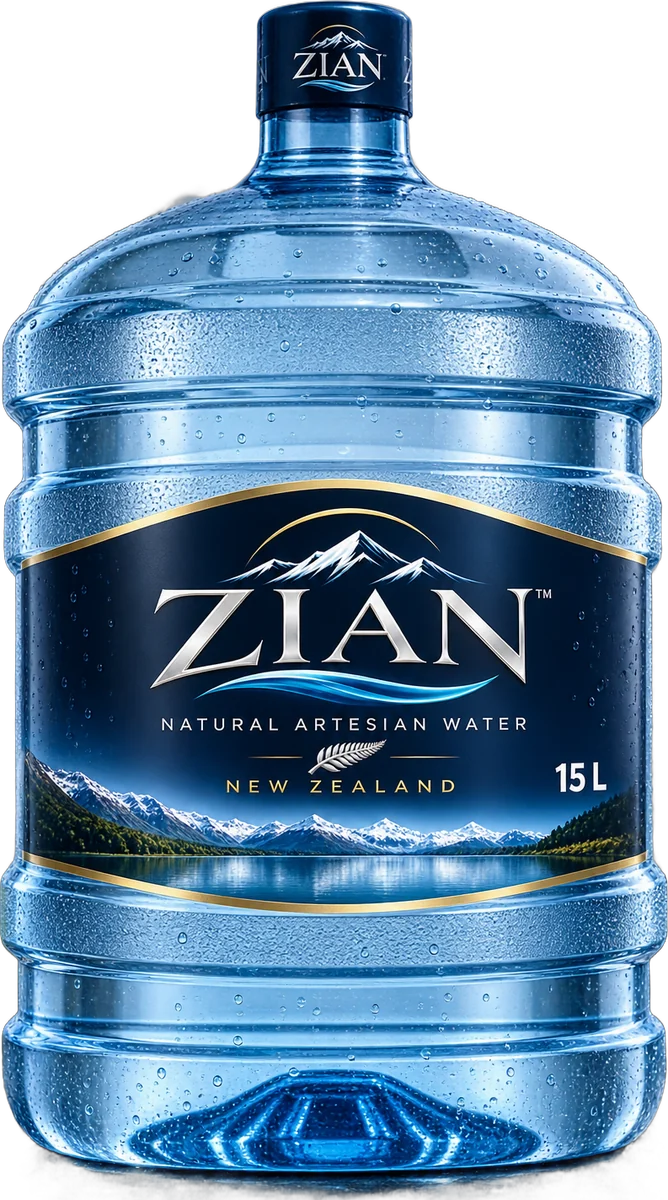
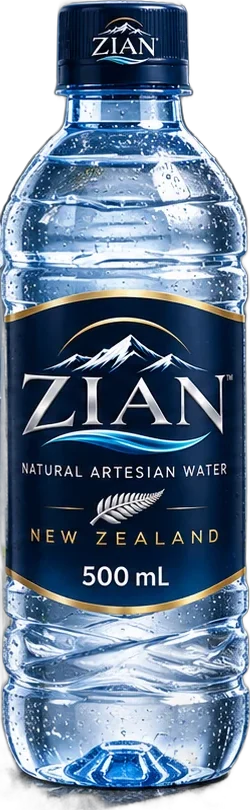
ZIAN is natural artesian water, sourced and bottled in New Zealand, for homes in India. The details that matter are the verified source, legal classification, finished-product analysis and traceability. We will publish each of them as it is confirmed. Until then, we don't name an aquifer or quote a mineral profile.
Common questions
Is all New Zealand water the same? No. Sources and treatment vary.
Does imported origin guarantee superior safety? No. Assess the individual product and its quality evidence.
Why choose imported water? Provenance, taste and presentation may be valuable preferences, provided the cost makes sense to you.
New Zealand origin can be the start of an interesting story. The details that follow are what make it a credible one.
 Natural mineral water vs packaged drinking water
 Calcium, magnesium and other minerals in drinking water
 Is premium bottled water worth the price?
 What makes ZIAN different? Quality, origin and transparency