
Natural mineral water vs packaged drinking water
In this guide
People often call every sealed bottle mineral water. It is a convenient expression, but it can hide a meaningful distinction. The legal description on a label matters because it tells you what category the product is being sold under, rather than simply how it looks or tastes.
Two different product categories
Packaged drinking water can originate from different suitable sources and undergo treatment appropriate to its production and applicable requirements. Natural mineral water has category-specific requirements relating to its origin, composition and permitted processes. A product with added minerals is not automatically natural mineral water.
The exact classification must be checked against the governing regulations and the product label. Terms such as spring, artesian, pure and premium should not be treated as substitutes for that information.
What changed in India?
FSSAI's December 2025 testing scheme explains that the earlier provision requiring mandatory BIS certification for packaged drinking water and mineral water was omitted in October 2024. The testing scheme took effect in January 2026. Consumers should therefore avoid relying on outdated advice that treats the previous compulsory certification provision as the entire current regulatory framework.
That change does not remove the need for compliance or safety evidence. Food business requirements and relevant testing remain important. Consult the current FSSAI documents when assessing regulatory obligations.
Look at the bottle before the advertising
Find the legal product name, responsible business information, batch identification and applicable date information. For imported products, examine the origin and importer details where required. Reject damaged or compromised packaging. If the seller makes a quality claim, ask how it can be substantiated.
A beautiful label with mountains and a blue colour palette is not a substitute for traceability. Nor does a higher price guarantee a particular regulatory category.
How taste enters the decision
Waters can have different mineral compositions and sensory qualities. You may prefer one for everyday drinking and another for serving with food. That preference is legitimate, provided the options are safe. It does not establish medical superiority.
What this means for ZIAN
ZIAN is natural artesian water from New Zealand. For an imported water sold in India, the legal product description on the label must follow the verified product documentation, and ours will. Consumers deserve to know what they are buying without having to interpret ambiguous marketing terms.
A side-by-side guide to the labels
| Question | Natural mineral water | Other packaged drinking water |
|---|---|---|
| What defines it? | Source and composition requirements | Packaged water meeting its applicable product requirements |
| Treatment | Subject to category-specific restrictions | May use purification and other permitted processing |
| What should I verify? | Source, category, composition and testing | Category, treatment information where available, and testing |
| Is one automatically safer? | No | No |
India's food regulator maintains separate product requirements. See the FSSAI safe-water consumer resource for official information. A premium label, an overseas origin or an artesian description does not by itself establish the legal natural mineral water category.
Five checks before buying
- Identify the product category, not just the brand name.
- Check the manufacturer or importer and applicable licence details.
- Look for the batch code, seal condition and date information.
- Ask for recent analysis that corresponds to the product being sold.
- Compare the actual price per litre, including delivery if relevant.
Compare household quantities, not bottle prices
A 750 mL bottle priced at ₹150 costs ₹200 per litre. A 15-litre container priced at ₹1,500 costs ₹100 per litre. These figures are hypothetical examples, not ZIAN prices or current retail quotations. A larger format may be economical only if the household uses it within the supplier's recommended handling and storage conditions.
When comparing ZIAN with other products, we would expect consumers to apply the same checks. Until the applicable classification and supporting records are verified, a marketing description should not be treated as a regulatory determination.
Common questions
Is all bottled water mineral water? No. Check the legal description.
Can treated drinking water contain minerals? Yes. Its composition depends on the source and production process.
Does imported water automatically qualify as mineral water? No. Origin and classification are separate questions.
The next time you compare two bottles, turn them around. The information on the back may be far more useful than the words on the front.
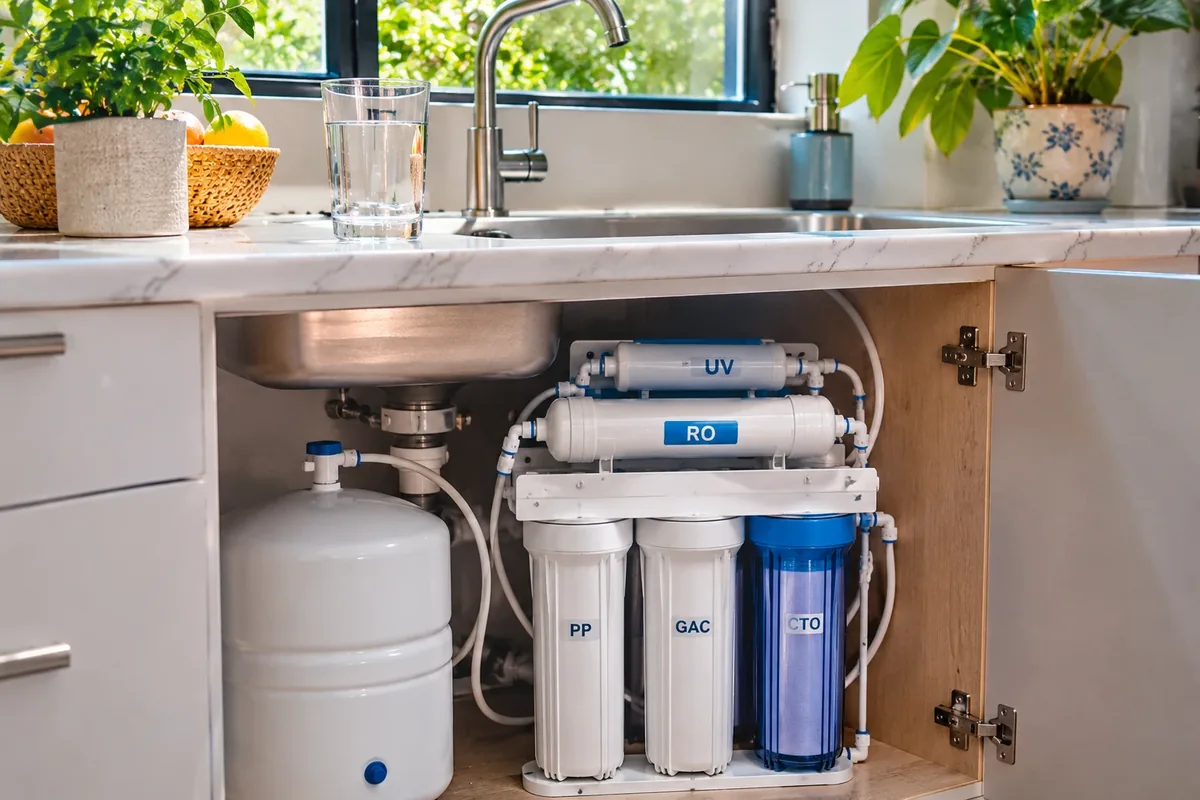 RO water vs natural mineral water: understanding the differences
 Why New Zealand water is prized: from source to bottle
 How to check whether your drinking water is safe
 Is premium bottled water worth the price?