
Water delivery vs home purification: a practical guide for families

In this guide
There is a familiar moment in many homes: the last glass is poured, the container is empty, and everyone wonders who was supposed to arrange the next one. A good household water solution is judged at precisely that moment. Does it work when the family needs it?
Start with consumption
For seven days, record the drinking water your household uses, including bottles filled for school and work. Keep cooking water separate unless you intend to use the same supply for cooking. Weekly measurements are more useful than assuming that every family of four has identical requirements.
Suppose a household uses a hypothetical 90 litres of drinking water per month. Six 15 litre containers would cover that amount if there were no wastage. A family whose consumption varies substantially should also consider a reasonable reserve and the space to store it.
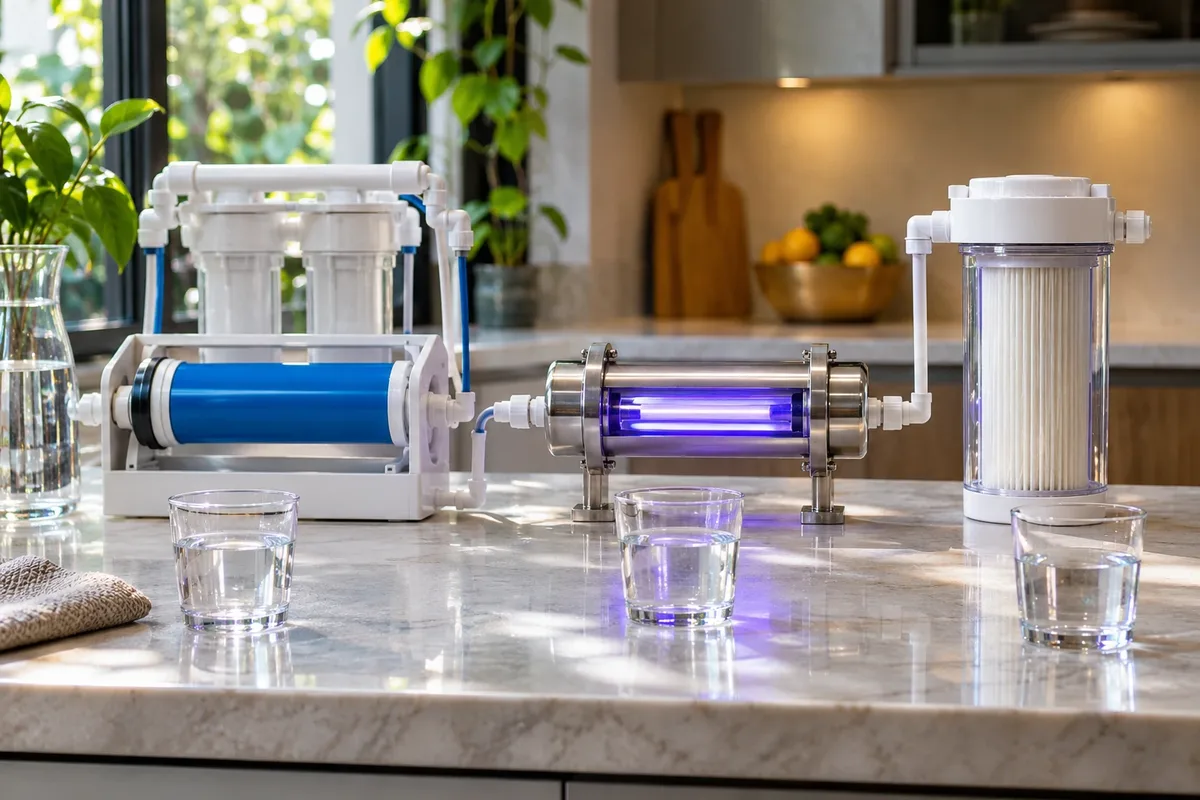
Compare delivered cost with equipment cost
For a delivery service, calculate the water charge, delivery fees, equipment rental and non-refundable charges. Consider deposits separately. Check what happens if a delivery is missed or a container is damaged.
For a purifier, include purchase and installation, expected useful life, servicing, filter changes, electricity where relevant and the cost of incoming water. An illustrative ₹18,000 installation spread over three years is ₹500 per month before running costs. That is not a market quotation; use your own supplier's actual figures.
Divide the total recurring equivalent cost by usable litres for a comparable price. Consider reliability and safety evidence separately from cost.
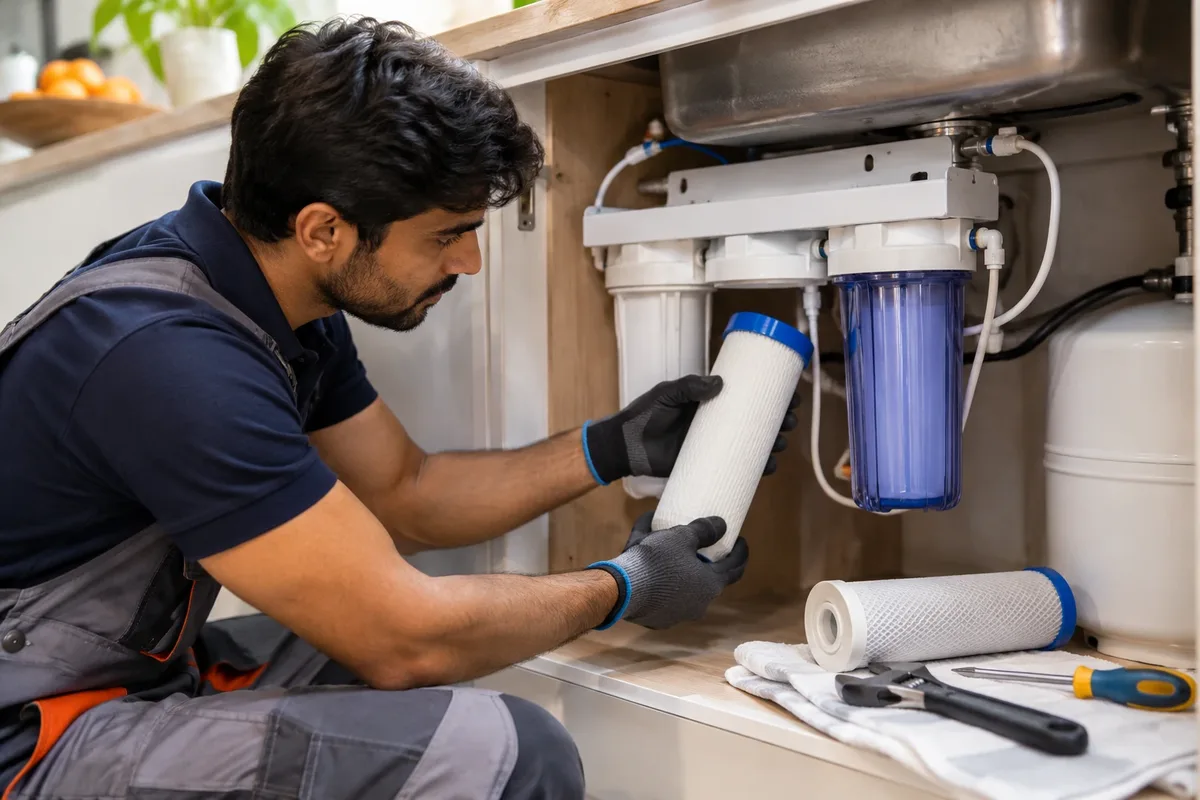
Which setup suits which home?
A household with a tested supply and appropriately maintained equipment may find purification convenient. A renter, a household without suitable installation space or a family seeking a particular premium water may prefer delivery. Some households may use a combination for different purposes, provided each supply is suitable for its intended use.
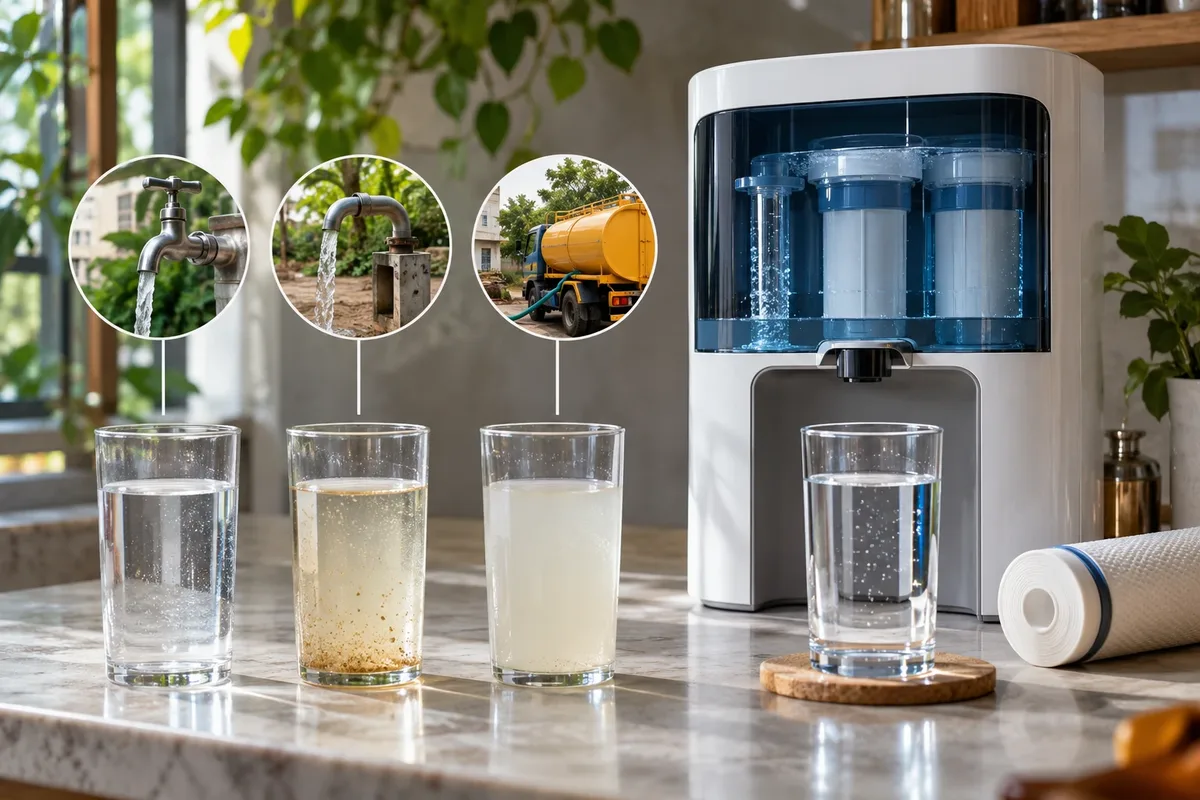
Do not overlook hygiene
Purifier tanks, dispenser outlets and reusable containers need appropriate cleaning and handling. Follow manufacturer instructions and keep track of servicing. A system that is convenient but neglected can create avoidable problems.
What makes a subscription useful?
A worthwhile plan should make the water supply predictable, allow households to understand the cost, and accommodate changes in consumption. Transparent cancellation, delivery and deposit terms are as important as an attractive introductory offer.
This is the standard the ZIAN household membership should meet. Before committing to any service, check delivery coverage, available sizes, final pricing and service terms. Ours are on the membership page.
Frequently asked questions
Is a subscription always cheaper?
No. Compare complete costs at your actual usage.
Can I avoid all maintenance with delivery?
No. Dispensers and containers still need appropriate handling.
How much should I order?
Measure household consumption and adjust for storage and delivery frequency.



 What is the best water to drink every day?
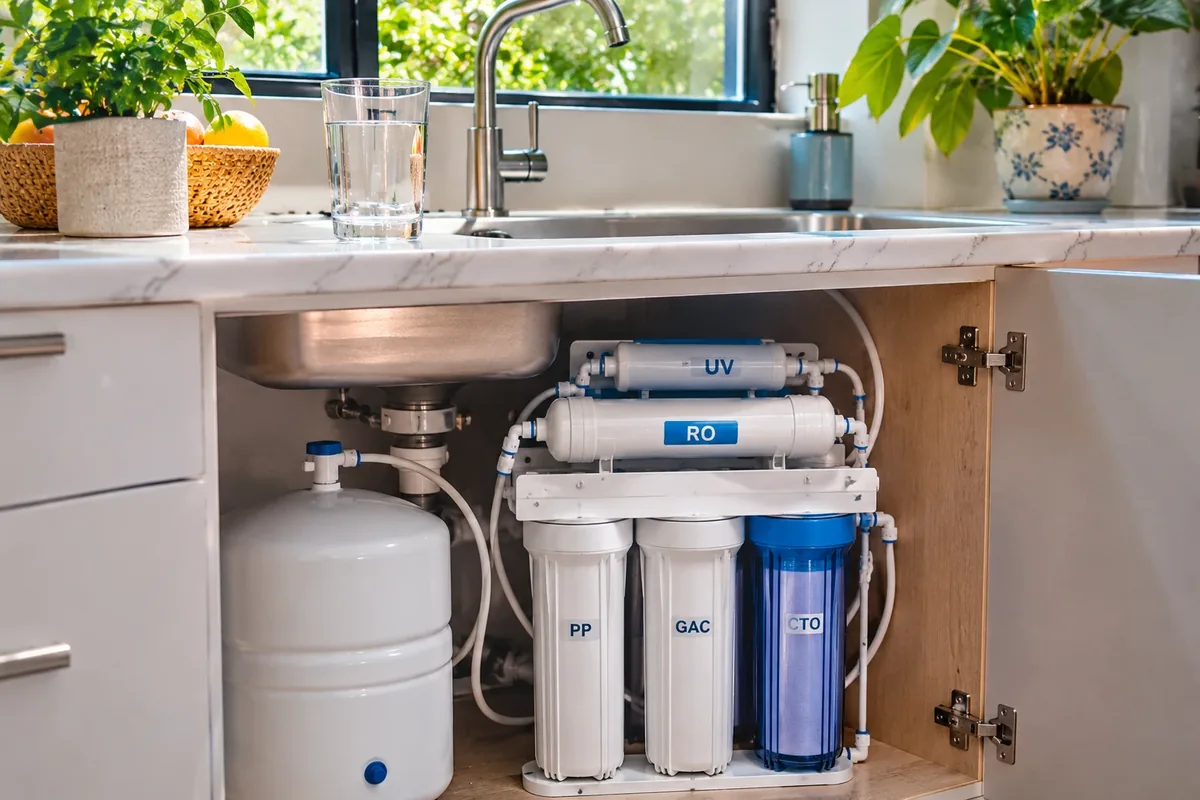 RO water vs natural mineral water: understanding the differences
 Is premium bottled water worth the price?
 What makes ZIAN different? Quality, origin and transparency