
What is the best water to drink every day?

In this guide
A glass of water at breakfast should not require a degree in chemistry. Yet choosing what to drink at home can feel surprisingly complicated. One neighbour swears by a purifier, another orders large containers, and the supermarket has an entire shelf of bottles promising different things. Which should you trust?
For most families, the best everyday water is water that is safe, pleasant to drink and reliably available. The answer depends much more on the quality of your particular supply than on a fashionable label.
Start with the water you already have
Ask where your household water comes from. Municipal supplies, private borewells and tanker deliveries present different challenges. Even two apartments in the same city may have different storage conditions. A report about a city's overall supply cannot tell you everything about the water coming out of your kitchen tap.
If the supply is uncertain, arrange appropriate testing through a competent laboratory. Ask which chemical and microbiological parameters are included. A handheld meter is useful for certain measurements but cannot detect every hazard. Also consider the building's tanks, pipes and maintenance history.
Choose treatment for a reason
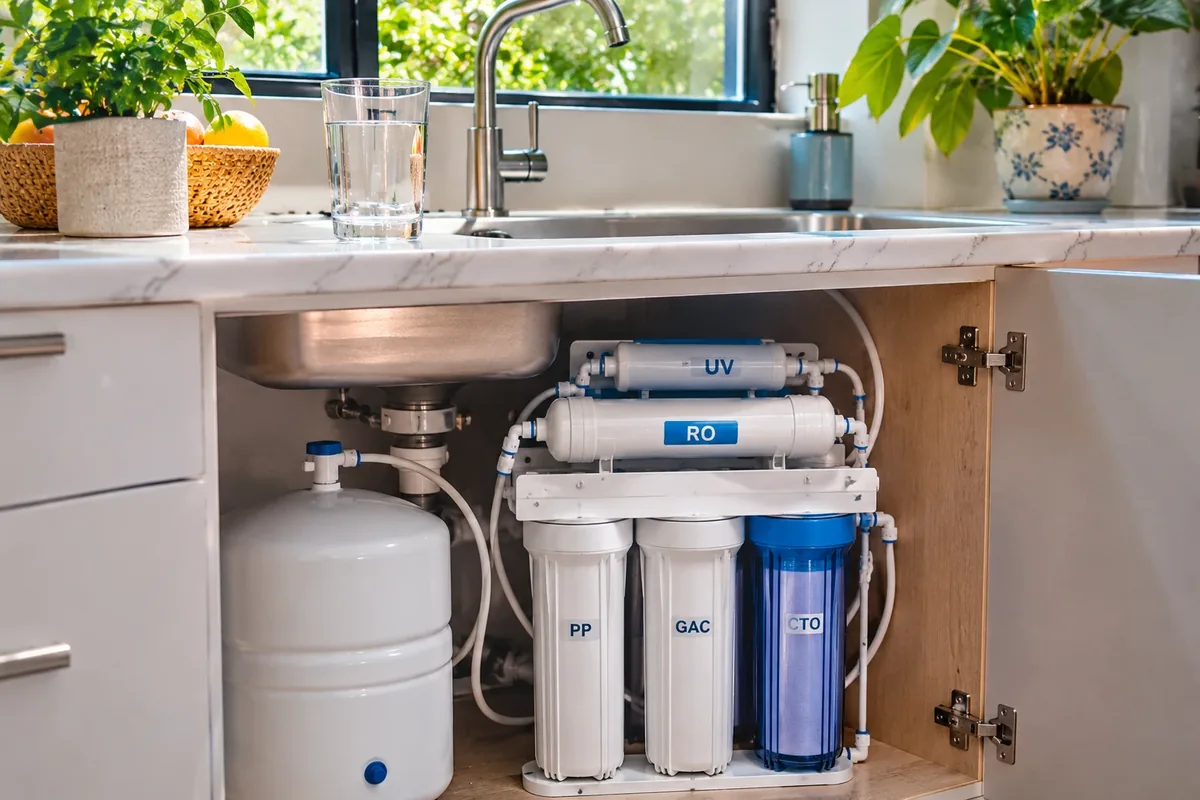
A filter that improves taste may be perfectly suitable for some supplies but inadequate for others. Reverse osmosis can reduce many dissolved contaminants; other technologies serve different purposes. Buying the most complicated purifier is not necessarily the right decision. Match the treatment to the problem, and budget for servicing rather than assuming that installation ends your responsibility.
Packaged water is another option, particularly for families that value convenience. Examine its legal product description, seal, traceability and supplier information. Do not confuse an attractive package with evidence of safety.
Think about the whole family
Consider a family of four that needs water for drinking at breakfast, school bottles, work and dinner. If a container runs out on Sunday evening, even excellent water has failed a practical test. The household needs a dependable supply and a clean way to dispense it. Measure actual consumption over a week before deciding what size or delivery frequency suits you.
Taste matters too. Water that people enjoy is easier to make part of a daily routine. But taste cannot establish safety: some hazards have no noticeable flavour. Choose among safe options first, then consider preference.
Where premium water fits
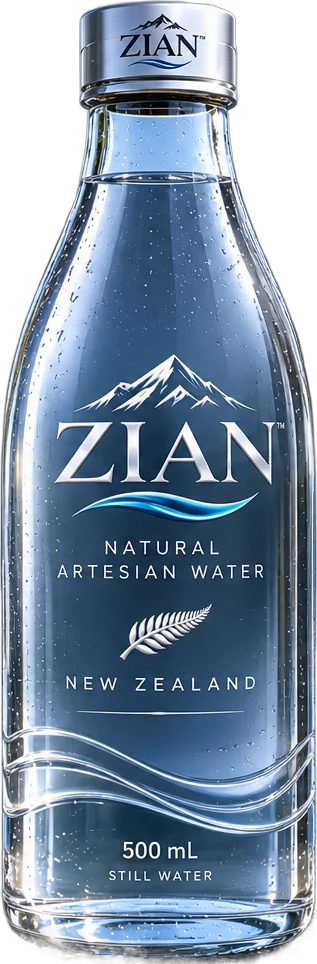
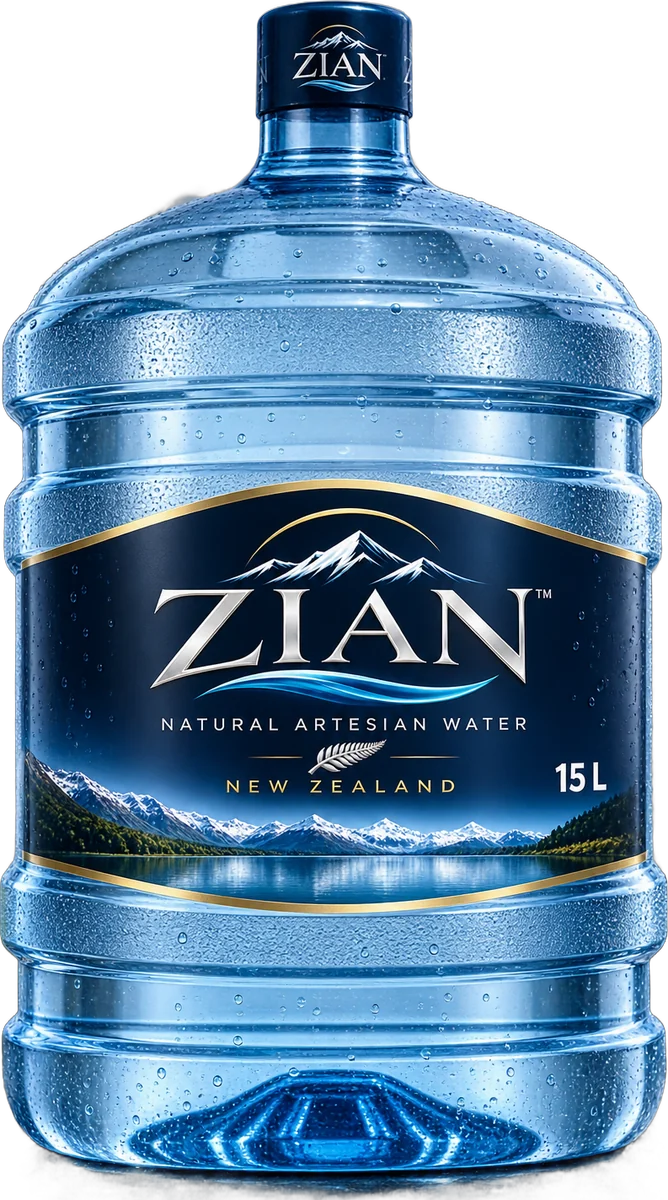
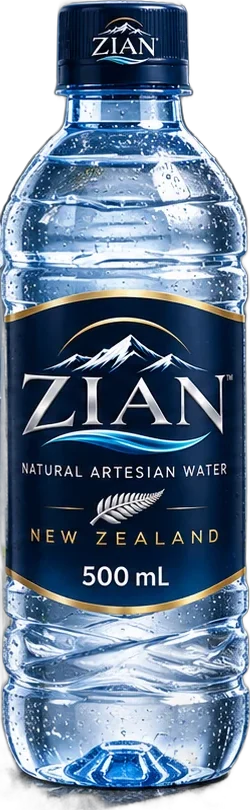
An imported water may appeal because of its origin, taste, packaging or the experience of serving it. ZIAN is natural artesian water from New Zealand, bottled in New Zealand and delivered to Indian homes. Like any supplier, we should be able to show you our source information and quality evidence, and we will publish both once independently verified. Paying more should buy something you can identify, not a vague promise of better health.
Questions to ask before buying
Is bottled water always better than tap water? No. The safety of each depends on its source, treatment, storage and handling.
Should I choose the lowest TDS? No. TDS does not identify all contaminants or prove safety.
Can every family use the same water? Most can share a safe supply, but people with clinician-prescribed restrictions should follow their own medical guidance.
A good decision is one you can repeat every day without worry, unnecessary expense or inconvenience. Start with evidence, then choose the experience that fits your home.
 What is the ideal TDS level for drinking water in India?
 RO water vs natural mineral water: understanding the differences
 How to check whether your drinking water is safe
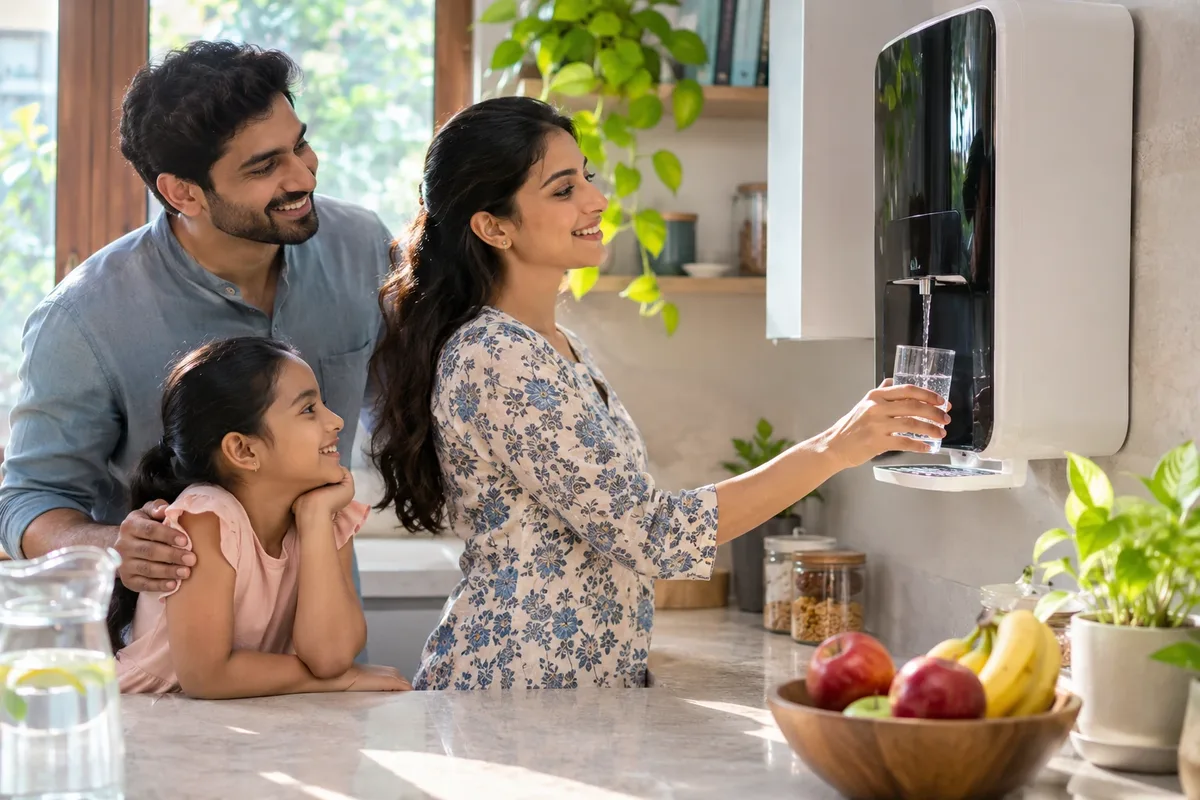 Water delivery vs home purification: a practical guide for families