
How much water should you drink every day?
In this guide
A bottle on the desk in the morning, another on the commute, a glass with lunch: hydration is easier to manage as a series of small decisions than as a nightly race to finish a target. But how much do you actually need?
Why the answer changes
Your water needs vary with activity, climate, body size, diet and health. A person working outdoors in Rajasthan in summer may lose considerably more fluid than someone spending the day in an air-conditioned office. Water in food and other drinks also contributes to total intake. A fixed number of glasses cannot describe everyone accurately.
National nutrition guidance encourages adequate water intake as part of a balanced diet. For a healthy adult, drinking regularly and responding to thirst is a reasonable foundation, with additional attention during heat and physical activity.
Make a routine you can keep
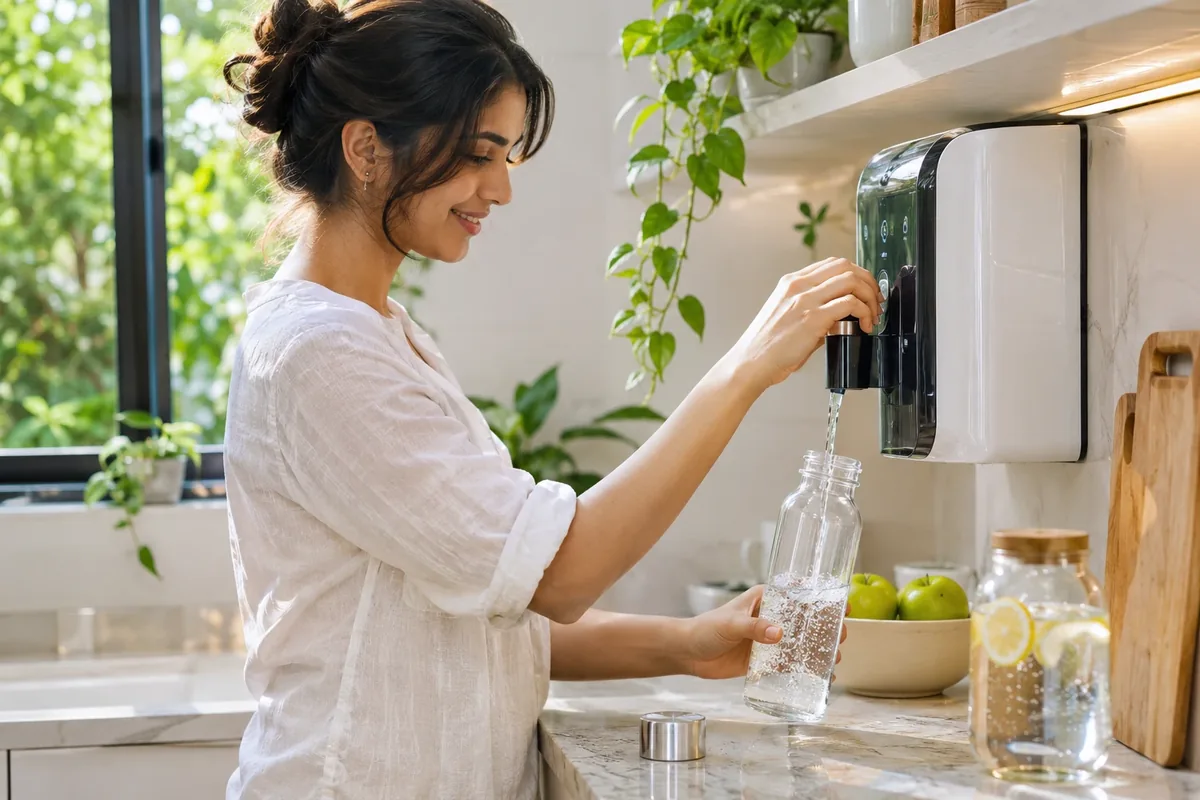
Begin with a drink when you wake up if you feel thirsty. Keep safe drinking water available at meals and at work. Carry a refillable bottle when travelling, and plan ahead for exercise or long periods away from a reliable supply. These habits are more sustainable than relying on reminders that interrupt your whole day.
For a week, notice when you tend to forget. Perhaps meetings run through lunch, or schoolchildren return with almost full bottles. Adjust access: a bottle within reach, a clean dispenser or a reminder before leaving home may be enough.
What your body can tell you
Thirst, a dry mouth and reduced urination can be clues that you need fluid. Urine colour can sometimes provide a rough indication, but it is affected by foods, vitamins, medicines and illness. It is not a medical test. Persistent symptoms deserve professional assessment instead of simply increasing water intake indefinitely.
More is not always better
Drinking excessive amounts in a short period can be dangerous. People with certain kidney, heart or other conditions may have specific fluid instructions. Follow your clinician's advice rather than a social media challenge or a generic calculator.
During prolonged intense exercise, fluid and electrolyte needs can differ from those of a normal office day. Plan according to the activity and conditions, rather than assuming that plain water or a sports drink is always the answer.
Make water easy to reach
For families exploring ZIAN or another home delivery option, the first question is how much drinking water the household actually uses. Record refills and glasses for several ordinary days. That helps you choose an appropriate supply without confusing household purchasing volumes with an individual medical recommendation.
Questions people often ask
Does tea count? Yes, beverages can contribute fluid, although sugar and caffeine intake deserve separate consideration.
Do I need to drink before I feel thirsty? During heat or prolonged exertion, planned breaks can be helpful. Individual circumstances matter.
Should I force myself to finish a large bottle at bedtime? No. Spread drinking through the day and respect any medical restrictions.
Hydration is a habit, not a competition. Make safe water available and adjust the routine when your day changes.
 What is the best water to drink every day?
 Ten benefits of staying properly hydrated
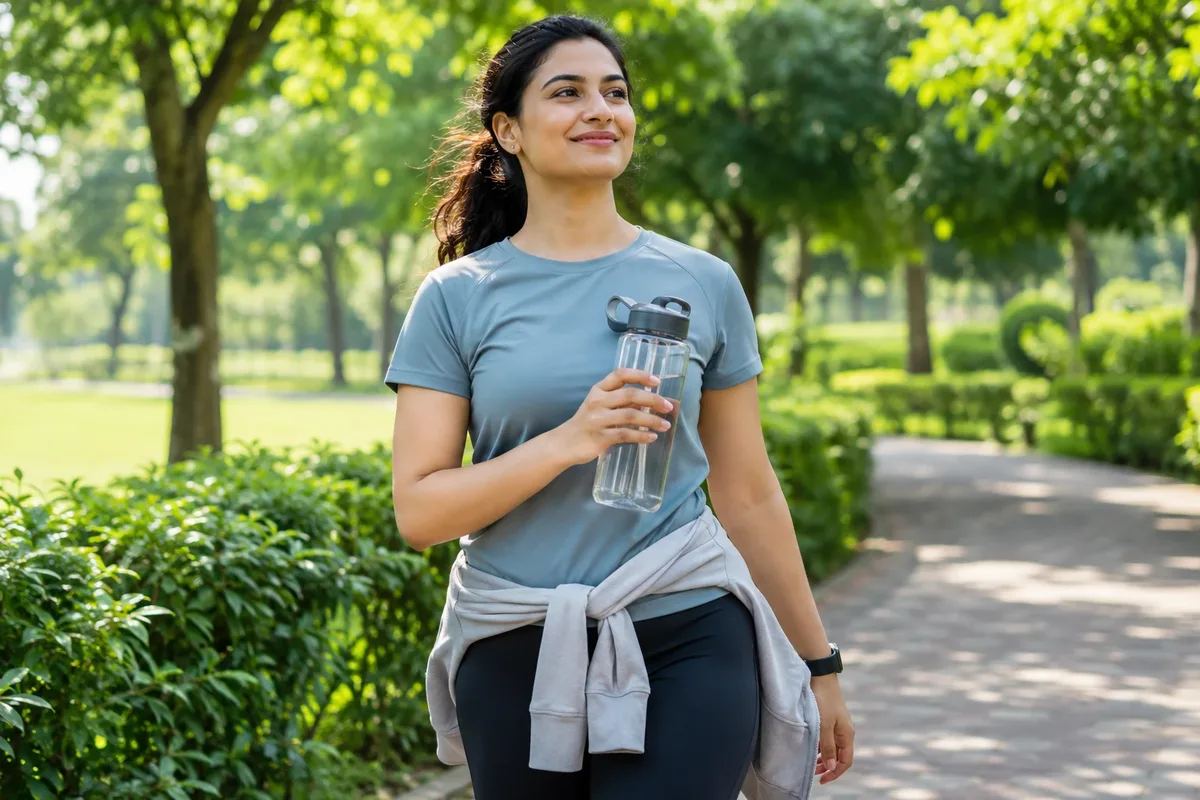 Staying hydrated during India’s summer
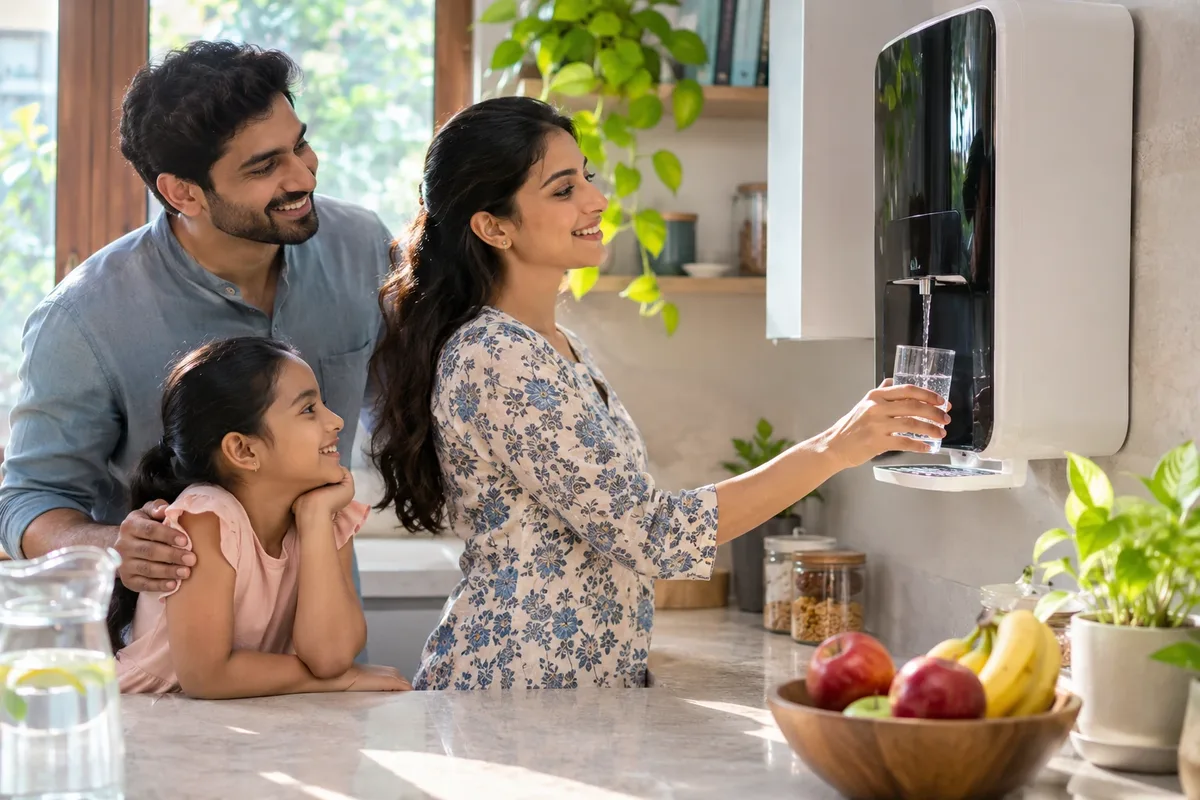 Water delivery vs home purification: a practical guide for families